Welcome to Nyerere National Park—formerly Selous, now wilder than ever.
In September 2023, one of Africa’s most untamed landscapes received a new name: Nyerere National Park. Once part of the legendary Selous Game Reserve, this vast tract of southern Tanzania has been reborn as the continent’s largest protected wilderness. Yet for all its size and significance, it remains blissfully off the mainstream safari radar.
For those who crave remoteness, rough edges, and rare sightings—this is your terrain.
Nyerere is not just the biggest reserve in East Africa—it’s a sanctuary where raw nature still rules. Remote, rugged, and rarely crowded, this Southern Circuit gem is where the Wi-Fi fades and the wild takes over.
Four Times the Size of the Serengeti. No, That’s Not a Typo.
This place is colossal—larger than Switzerland, in fact. Across its sweeping savannas, floodplains, and woodlands, Africa’s famed Big Five roam freely, joined by a full cast of predators: lion, leopard, cheetah, spotted hyena, and the elusive African wild dog.
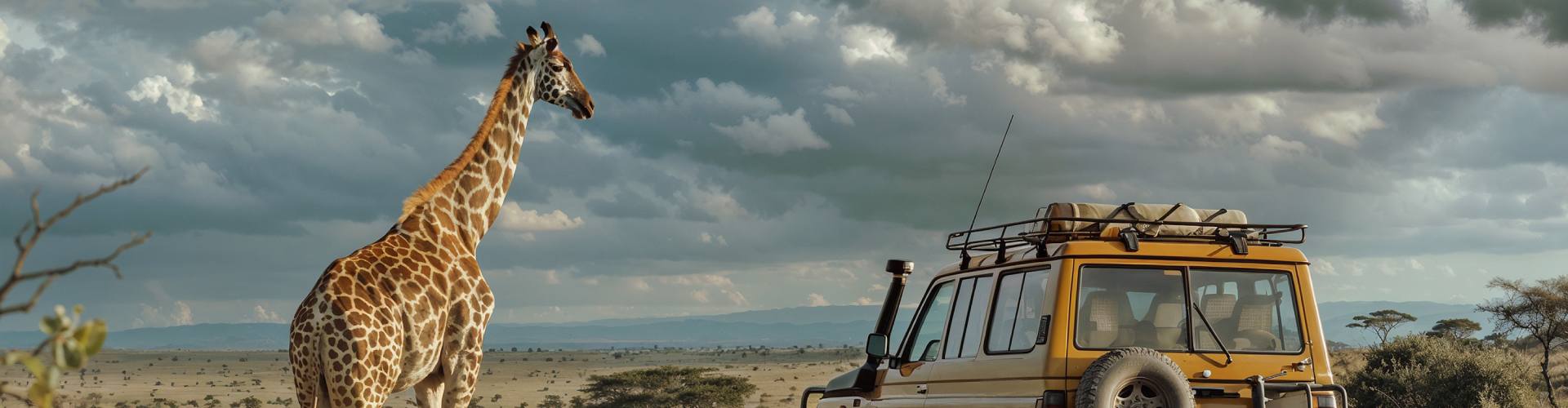
You’ll find elephants in parade-sized herds. Buffalos that stampede like thunderclouds. Hippos, giraffes, sable antelope—it’s a wildlife blockbuster, minus the crowds and filters.
The Rufiji River: Life, Light, and Drama
The beating heart of Nyerere is the great Rufiji River. It doesn’t just water the land—it defines it. Carving through the reserve, it branches into oxbow lakes and lush palm-fringed channels. This is where safaris turn cinematic: crocs bask on sandbanks, elephants wade between islands, storks and spoonbills sweep the shallows, and mudbanks erupt with crimson carmine bee-eaters.
Most camps and lodges are tucked along the river’s edge, and for good reason—this is where the magic flows.
Sleep by the River. Walk with the Wild.
Nyerere is one of the few parks in Tanzania that allows walking safaris. Led by seasoned trackers and armed rangers, these hikes range from easy bush walks to multi-day treks, complete with rustic fly-camps beneath star-filled skies. Add in boat safaris and classic open-top game drives, and you’ve got one of the most immersive safari experiences on the continent.
Best Time to Visit: The Dry Season (June to October)
As the dry season tightens its grip, wildlife converges around the river systems and lakes—making sightings more predictable and thrilling. This is also when wild dogs are most active, often hunting in packs just after sunrise. Photographers, this is your moment.
Pair It Like a Pro: Southern Tanzania’s Untamed Trio
Nyerere doesn’t need to stand alone. Create a legendary Southern Circuit with these wild neighbours:
Ruaha National Park – Remote and baobab-studded, it’s Tanzania’s best-kept big-cat secret.
Katavi – For hardcore safari purists craving total isolation and raw, unedited nature.
Mahale Mountains – Chimp tracking by day, beach lounging by Lake Tanganyika by evening.
Did You Know?
Though renamed, the spirit of Selous lives on. The original reserve was named after Frederick Courteney Selous, a famed conservationist and explorer who died here in WWI. Today, his legacy echoes in the park’s unspoiled silence and sheer sense of scale.
Let’s Start Planning
Looking for a safari that trades the ordinary for the extraordinary? Let Safari’s and Beyond craft your journey into Nyerere National Park—a place where the maps fade and memory begins.