Samburu National Reserve - Kenya
Guide

Samburu National Reserve

A Remote Gem of Northern Kenya

This Kenya reserve lies along the banks of the Ewaso Ng’iro River in northern Kenya. Spanning 165 square kilometers and located roughly 350 kilometers from Nairobi, this arid wilderness sits at elevations ranging from 800 to 1,230 meters above sea level. It falls within Samburu County and forms part of a much larger ecosystem that includes the neighboring Buffalo Springs and Shaba National Reserves.

This region is defined by vast, untamed landscapes, and its heart is sustained by the Ewaso Ng’iro River. Flowing from the highlands of Kenya and bordered by doum palms and dense riverine forest, the river serves as the only permanent source of water, sustaining a remarkable concentration of wildlife even in the driest seasons.

A Reserve Steeped in Conservation History

Samburu National Reserve holds a unique place in conservation lore. It is one of the two places where George and Joy Adamson raised Elsa the Lioness, later immortalized in the book and film Born Free. Today, it is home to Elephant Watch Camp, led by renowned conservationist Saba Douglas-Hamilton, and was once the territory of Kamunyak, the lioness known for adopting oryx calves—an extraordinary event that captivated global audiences.

Officially declared a protected area in 1962 and handed over to local governance in 1963, Samburu is today a model of community-based conservation. Managed by the Samburu people through a centralized local council, the reserve blends environmental stewardship with cultural preservation.

Dramatic Landscapes and Unique Habitat

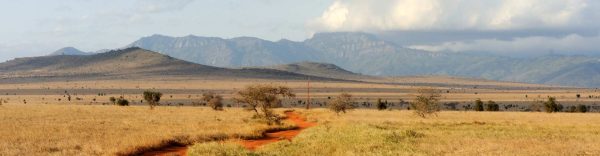
The reserve’s dramatic terrain includes rugged hills such as Koitogor and Ololokwe, open grasslands, and groves of acacia and thorn trees. The semi-arid environment, marked by its desert-like terrain and minimal rainfall, supports a distinctive type of flora and fauna not commonly found elsewhere in Kenya.

Rainfall averages around 354 mm per year, with short rainy seasons typically falling between April to May and again between September to November. Despite these brief wet spells, Samburu remains sun-drenched and warm throughout the year, with temperatures ranging from 16 to 32 degrees Celsius.

A Sanctuary for Rare Wildlife

Samburu is celebrated for its abundance of wildlife, particularly species adapted to dry, arid conditions. It is one of the few places in Kenya where you can spot the so-called Samburu Special Five:

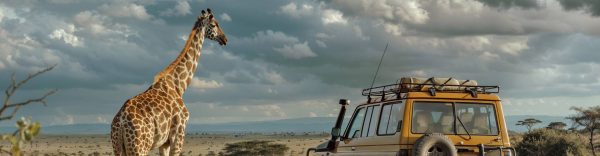
Reticulated giraffe, Grevy’s zebra, Gerenuk, Beisa oryx, Somali ostrich

All three of Africa’s big cats—lion, leopard, and cheetah—are frequently seen here, alongside large herds of elephant, Cape buffalo, and hippopotamus. Other commonly sighted mammals include olive baboons, Grant’s gazelles, dik-diks, impalas, and warthogs. The park has also successfully reintroduced black rhino after decades of absence due to poaching.

Birdwatchers will find Samburu exceptional, with over 350 species recorded. Standouts include the vulturine guineafowl, Verreaux’s eagle, grey-headed kingfisher, Marabou stork, secretary bird, lilac-breasted roller, and the palm-nut vulture. The riverbanks are also a favorite basking spot for Nile crocodiles.

Why Visit Samburu?

Samburu National Reserve is not just a game viewing destination—it is an immersion into a unique ecosystem and cultural landscape. Far from the crowds of the more frequented parks, Samburu offers an exclusive, tranquil safari experience. Visitors are rewarded with unspoiled vistas, exceptional wildlife encounters, and intimate lodges that deliver luxury and sustainability in equal measure.

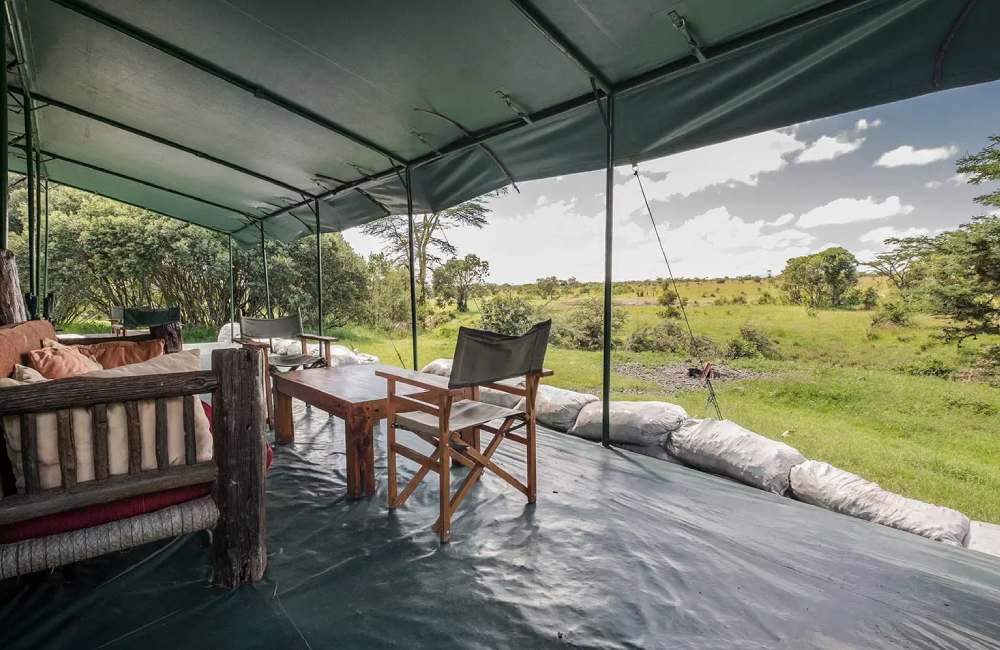
Accommodation options cater to a range of preferences, from opulent tented camps and boutique safari lodges to more modest campsites. Many properties emphasize ecological responsibility and close engagement with local communities, making every stay both meaningful and memorable.

Plan Your Journey

For those seeking a destination that combines biodiversity, dramatic scenery, and deep cultural significance, Samburu National Reserve stands out as one of East Africa’s most rewarding safari locations. It is a sanctuary not just for wildlife, but for travelers in search of a deeper connection to nature, heritage, and conservation.

9 Day Kenya Big 5 and Walking Safari

Kenya

9 Day Kenya Big 5 and Walking Safari

This offer the best itinerary on a private wildlife destinations. You begin your adventure on the Laikipia plateau, exploring the big game country on foot with Samburu tribesmen for company and a camel train to carry the luggage as you move between camps. Transfer to Maasai Mara for your final destination –  home to the seasonal Wildebeest Migration. A highly luxurious safari, fit for couples or on honeymoon.

PACKAGE INFORMATION
Let’s personalise your pricing. Because every trip is unique, rates are tailored to your specific travel dates, group size. Simply fill in the enquiry form, and we’ll send you a customised quote.
Enquire Now

Itinerary

Arrive and begin your African adventure with a flight to Nanyuki in Kenya’s Laikipia region, reknowned for its great sceneries and private wildlife conservancies. Upon arrival you will be met by your guide and transfer to Tumaren Camp. The drive is about two hours with a game drive en-route, enjoying wildlife viewing. Arrive at the camp to a hit lunch and later after lunch take the short walk with your guide to the feel of the next day’s walking safari. The best time to do safari is early morning, so it is with walking safaris as well, head out in the early morning before the sun and heat of the day, with your Samburu guides, you will have a different more close experience with nature than you would notice on a game drive with a vehicle. The walking safari is like any other game drive, you may be lucky to spot the lonely giraffe in the distance, a couple of zebras on an intimate outing or a pack of curious wild dogs from the distance, call out the birds and learn about the medicinal plants and insects and their wonderful contribution, often ignored to the ecosystem. Your camp, carried on the back of camels will always be a step ahead of you and ready to welcome you as you complete your walk. The walks a leisurely with lots to see on the way, on the last day arrive at the Ewaso Nyiro River, take a well-deserved plunge into the brown waters, completing the way to a short scenic site for a sundowner with imposing views of Mount Kenya.

After breakfast you will be driven to the Ol Pejeta Conservancy and Porini Rhino Camp, perched beside a gorgeous seasonal stream in the foothills of Mount Kenya. Spend your days on game drives tracking the Big 5 with Maasai guides – Ol Pejeta is home to four of the last seven remaining northern white rhino in the world. You also have the opportunity to visit a sanctuary for rescued chimpanzees and meet Baraka, Ol Pejeta’s black rhino ambassador. Baraka was rescued after he became totally blind and unable to survive in the wild.

Breakfast and transfer to the airstrip to take your flight to the Maasai Mara. Upon arrival you will be met by your tour guide and transfer, with a game drive en-route to the Ol Kinyei Conservancy, where you will stay at the Porini Mara Camp for the next 3 days.

Your guides will take you close up for any sightings, do spot lit night game drives and take you on walking safaris to ensure you get the most of your stay at Porini Mara Camp. The game drives will be in the conservancy, known for its abundant wildlife. On one of the days we shall head out to the main Mara Reserve with a picnic lunch, going up to the Mara River and back.

Wake up early before sunrise and go on a game drive returning to the camp for breakfast, later after breakfast transfer to the airstrip to take your flight back to Nairobi’s Wilson Airport. Transfer to JKIA for your international departures.
  • All government taxes.
  • Flights from Nairobi to Nanyuki; Maasai Mara and back to Nairobi.
  • National Reserve, conservancy and camping fees.
  • Shared day and night game drives, and scheduled activities.
  • Sundowner at a scenic spot within the conservancy.
  • International flights.
  • Airport taxes.
  • All meals and drinks not specified.
  • Tips and gratuities.
  • Items of a personal nature.
Highlights

SAFARI ACCOMMODATION

tumaren camp image
Tumaren Camp, Laikipia
porini rhino camp image
Porini Rhino Camp, Kenya
porini mara camp image
Porini Mara Camp, Kenya