

Zanzibar: Where spice meets sea
Zanzibar, the “Spice Island” of the Indian Ocean, is a destination where culture, history, and natural beauty blend effortlessly. From strolling through the winding alleys of Stone Town to diving in coral-rich waters, Zanzibar offers unforgettable experiences that cater to every type of traveler. Whether you’re after romantic beach escapes, cultural immersion, or ocean adventures, this tropical archipelago delivers it all—steeped in Swahili soul and kissed by turquoise tides.
About Zanzibar
Located off the coast of Tanzania, Zanzibar is a semi-autonomous region with a deep and diverse heritage. For centuries, it was a powerful trading hub, drawing influences from Arab, Persian, Indian, and European cultures. Today, that cultural fusion still shines through in its architecture, cuisine, language, and daily life.
The main island, Unguja (commonly referred to as Zanzibar Island), is home to most visitors, while Pemba and several smaller islands offer more remote and rugged beauty. From UNESCO-listed Stone Town to spice plantations and reef-lined beaches, Zanzibar’s landscapes are as varied as its cultural identity.
Why visit Zanzibar?
Zanzibar is ideal for travelers seeking both relaxation and enrichment. Its pristine beaches, clear waters, and laid-back rhythm make it a top choice for honeymooners and wellness seekers. Meanwhile, its rich history, unique traditions, and spice trade legacy offer cultural depth for curious minds.
For adventurers, Zanzibar’s underwater world beckons with world-class diving and snorkelling, and its coastal forests provide a home for rare red colobus monkeys and endemic bird species. Whether paired with a Tanzanian safari or explored as a standalone destination, Zanzibar leaves an indelible impression.
Top experiences in Zanzibar
Stone Town exploration
Step back in time in Zanzibar’s historic capital, where coral stone buildings, intricately carved doors, and bustling bazaars transport you to the days of sultans and spice merchants.
→ Must-see: The Old Fort, Sultan’s Palace, and the House of Wonders.
Spice farm tour
Zanzibar’s nickname isn’t for nothing. Take a guided tour through fragrant plantations and learn how cloves, cinnamon, nutmeg, and vanilla are grown and harvested.
→ Insider tip: Fresh fruit tastings are included!
Mnemba Atoll snorkelling or diving
This marine conservation area is a haven for colorful reef fish, turtles, dolphins, and pristine coral gardens.
→ Best visited on a guided boat trip from Nungwi or Matemwe.
World-class kitesurfing destination
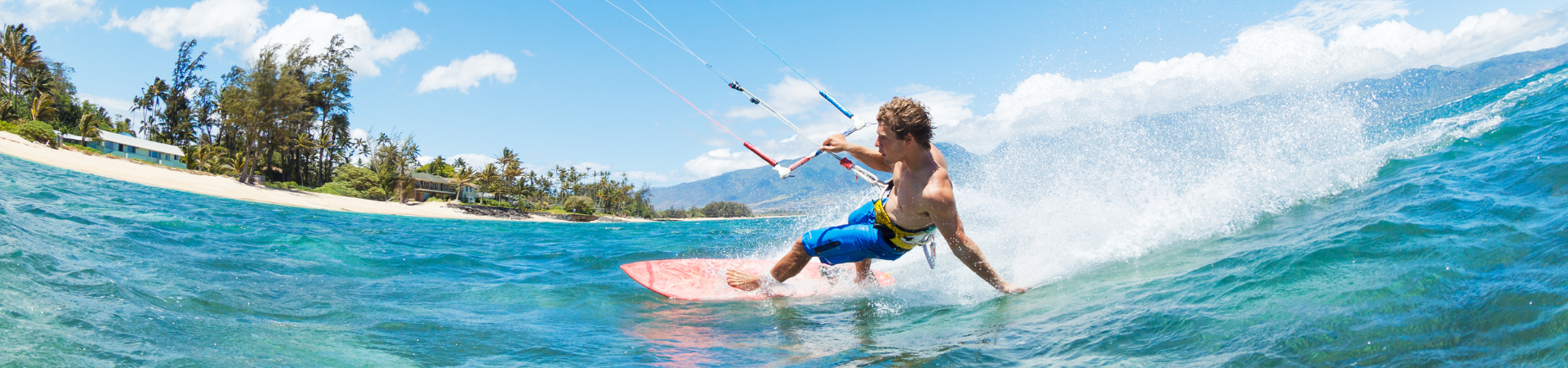
Zanzibar is a world-class kitesurfing destination, with consistent trade winds, warm waters, and expansive shallow lagoons—especially along the southeastern coast in Paje and Jambiani.
Nungwi & Kendwa Beaches
Zanzibar’s north coast offers some of the best beaches in East Africa—calm, swimmable, and sunset-facing.
→ No extreme tides here—perfect for a full-day beach retreat.
Jozani Forest Walk
Visit Zanzibar’s last indigenous forest to see endangered red colobus monkeys and learn about coastal conservation.
→ Ideal for families and nature lovers.
Dhow Sunset Cruise
Set sail on a traditional wooden dhow and watch the sun melt into the sea, often accompanied by live taarab music and Swahili canapés.
Wellness & Luxury Escapes
Many boutique resorts offer spa treatments using local oils and spices, sunrise yoga, and holistic healing in serene coastal settings.
Plan Your Zanzibar Adventure
With expert advice from our travel specialists, your Zanzibar journey can be tailored to suit your preferences. Whether you want a luxury or a budget-friendly adventure, we’ll help you create an unforgettable experience in this extraordinary destination.
Planning a trip to Zanzibar? Whether you’re wandering through the spice-scented alleys of Stone Town or relaxing on the pristine beaches of Nungwi, it’s essential to prepare ahead. From visa and passport requirements to tips on health, currency, and island transport, here’s everything you need to know to ensure a smooth arrival and a carefree escape to this idyllic Indian Ocean paradise.
Visa rules are subject to change based on nationality and current government policy. We highly recommend confirming requirements with the nearest Kenyan consulate or official immigration website before departure.
Obtaining all necessary visas in advance is the best way to avoid delays and long queues, especially if you are connecting between countries.
Visa Required
Yes — most international travelers need a visa to enter Zanzibar (Tanzania). Visas can be obtained in advance via the official Tanzania Immigration eVisa portal or on arrival at Zanzibar’s Abeid Amani Karume International Airport and other major ports of entry.
Visa Options & Validity
Single-entry tourist visa: Valid for up to 90 days, typically costs $50 USD. East Africa Tourist Visa (EATV): A great option for those also visiting Kenya and Uganda. Priced at $100 USD, it allows multiple entries between the three countries within a 90-day period. Entry must begin in the country that issued the visa.
Passport Requirements
All foreign visitors must hold a passport valid for at least 6 months beyond their intended stay in Zanzibar/Tanzania. Your passport must have at least two blank visa pages available (not endorsement pages). For multi-country travelers, 3–4 blank pages are recommended to prevent entry issues. Entry may be denied if these conditions are not met.
Travel Between Zanzibar and Mainland Tanzania
Zanzibar is part of Tanzania, so no additional visa is required if you’re arriving from the mainland. However, be prepared for internal security checks — you may need to show your passport and proof of onward travel.
Visa Fees & Payment Tips
Visas on arrival must be paid in USD, and some entry points only accept cash. Bring small-denomination bills ($50 or below, issued after 2008)—immigration officers may not give change for larger notes or accept older currency.
Local Currency
Zanzibar uses the Tanzanian Shilling (TZS). Banknotes typically range from 500 to 10,000 TZS. Coins are also in circulation, though most transactions are done in notes.
Using US Dollars
US Dollars are widely accepted in Zanzibar, particularly at hotels, lodges, and for larger expenses like excursions and domestic flights.
Important: Only clean, untorn USD notes printed after 2008 are accepted. Older or damaged notes are often refused—even at banks.
What to Bring
We recommend traveling with a mix of:
Not sure how much cash to bring? Our team will guide you based on your itinerary, lodge locations, and optional activities.
Tipping and Small Purchases
It is highly recommended that you take out adequate travel insurance at the time of confirming your booking. This should cover any medical situation (such as hospitalisation), as well as cancellation or curtailment of arrangements and loss of your baggage. When you travel with us, you are automatically covered by our emergency evacuation insurance. This provides emergency medical services/evacuation to hospital should you suffer either severe illness or an injury whilst traveling with us. As this is for emergency evacuation only, it does not cover the cost of treatment once in hospital and in no way replaces your normal travel insurance, which must be purchased prior to travel.
The usual safety guidelines apply – don’t leave your luggage unattended and always keep your valuables close by or locked away. It is advised you check with your tour operator or hotel concierge – they will know if there are any potentially unsafe areas along your travel route.
It is wise to avoid deserted areas, particularly at night. Dress-down (i.e. don’t wear excessive jewellery) when exploring East Africa’s diverse cities. Concealed travel wallets are recommended.
Safaris and Beyond travellers have exclusive access to a 24/7 hotline manned by senior staff in the event of any emergency, no matter how small.
Cultural Courtesy
Zanzibaris are warm, welcoming, and deeply proud of their heritage. A friendly greeting—“Jambo!” or “As-salaam alaikum”—goes a long way, especially when offered with a smile and respectful tone. Locals appreciate when visitors take time to learn a few Swahili phrases or engage with curiosity and kindness.
When visiting markets, villages, or historical sites like mosques or Stone Town’s Old Fort, cultural respect is key. Always ask before photographing people, and show patience in conversations—Zanzibar, like much of East Africa, values relaxed, thoughtful interaction over hurried exchanges.
Dress Code
As a predominantly Muslim destination, Zanzibar observes modest dress, especially outside of beach resorts. While swimsuits and shorts are fine on the sand, visitors should cover shoulders and knees when exploring towns, dining in local restaurants, or entering cultural or religious sites.
Women are encouraged to carry a light shawl or scarf, especially when visiting mosques or public spaces during Ramadan. Men should avoid walking shirtless away from the beach. Neutral-toned, lightweight clothing is both respectful and comfortable in Zanzibar’s tropical climate. Dressing modestly isn’t just a sign of cultural awareness—it’s also a way to connect more meaningfully with the local community.
Zanzibar is a photographer’s dream—from the intricate doors of Stone Town and vibrant spice markets to dazzling sunsets over the Indian Ocean. However, photographing people—especially women and children—should always be done respectfully. It’s customary to ask for permission before taking someone’s photo, particularly in rural areas or local communities where sensitivities may be higher.
Avoid photographing government buildings, military personnel, or airports, as this is strictly prohibited and may lead to fines or confiscation of equipment. In religious sites like mosques, photography may be restricted—always check with your guide or host first.
When in doubt, a polite “Naweza kupiga picha?” (May I take a photo?) in Swahili is appreciated and often met with a smile. Respectful, mindful photography helps create meaningful moments—and beautiful memories.
Can i bring a drone :
Drone usage in Zanzibar is heavily restricted and requires advance permission from both the Tanzania Civil Aviation Authority (TCAA) and local authorities. Flying a drone without proper permits can lead to confiscation, fines, or legal penalties.
If you plan to bring a drone for photography or videography:
Zanzibar is a year-round tropical destination, but the best time to visit depends on your interests—whether it’s basking on the beach, diving into coral-rich waters, or exploring cultural festivals.
Insider Tip: If you’re visiting during Ramadan, be mindful of local customs—many restaurants and shops adjust their hours, but it’s also a unique cultural window into Zanzibar’s Muslim heritage.
Zanzibar is a world-class kitesurfing destination, with consistent trade winds, warm waters, and expansive shallow lagoons—especially along the southeastern coast in Paje and Jambiani.
There are two main kitesurfing seasons:
Conditions:
Expect flat, waist-deep waters during low tide—ideal for learning and cruising—and small waves on the outer reef at high tide for more experienced kiters.
Pro Tip:
Book lessons or gear in advance during peak months, as kitesurfing schools can fill up quickly. Destination Africa can secure preferred instructors and prime beachfront lodging steps from the water.
Zanzibar’s blend of consistent wind, warm seas, and tropical beauty makes it a kitesurfer’s paradise—on and off the board.
Zanzibar enjoys a tropical climate year-round, with warm temperatures averaging between 25°C and 32°C (77°F–90°F). Coastal breezes help keep things comfortable, especially near the beaches. The island has two rainy seasons: long rains from April to May and short rains from November to mid-December. Even during rainy periods, showers are typically brief and followed by sunshine. Lightweight, breathable clothing is ideal—plus a light jacket for cooler evenings or sea breezes.
Flights to Uganda
Getting There
Zanzibar’s main gateway is Abeid Amani Karume International Airport (ZNZ), located just outside Stone Town. The island is well connected to major hubs like Dar es Salaam, Nairobi, Kilimanjaro, and Addis Ababa, with direct regional flights from airlines such as Precision Air, Coastal Aviation, and Kenya Airways.
International travelers can also find seasonal or connecting flights from the Middle East and Europe.
Domestic Connections
If you’re combining Zanzibar with a mainland Tanzania safari, daily flights link the island with Arusha, Serengeti airstrips, and Ruaha, making bush-and-beach itineraries seamless and time-efficient.
Getting Around Uganda
Pro Tip: Roads can be bumpy and signage minimal outside tourist areas. We recommend guided transfers for comfort, safety, and local insight.
Let us help you coordinate smooth, scenic travel across Zanzibar—from the moment you land to your final sunset cruise.
Packing for Zanzibar means preparing for sunshine, sea, and a touch of culture. Here’s a quick checklist to ensure you’re comfortable, respectful, and ready for any adventure:
Clothing
Essentials
Health & Travel
Pro Tip: Leave room for handcrafted souvenirs and local spices—Zanzibar’s markets are a treasure trove!
Need help tailoring your packing list based on your specific itinerary or time of year? Destination Africa’s travel experts have you covered
High-SPF, reef-safe sunblock — the tropical sun is intense year-roun
Health & Malaria in Zanzibar
Malaria Risk
Zanzibar is considered a low-risk malaria area, especially compared to mainland Tanzania. However, precaution is still recommended, particularly if you’re travelling during or just after the rainy season (April–May or November–December), when mosquitoes are more active.
Many travellers choose to take antimalarial medication as a precaution—consult your travel doctor for personalised advice based on your health history and itinerary.
In addition:
Other Health Considerations
Pro Tip: Pack a small health kit with essentials like antihistamines, motion sickness tablets (for boat trips), and electrolytes—just in case.





Swahili (Kiswahili) is the official language of Zanzibar, spoken with warmth and rhythm. A few local phrases go a long way—especially in markets, villages, and when greeting your hosts. Here’s your cheat sheet to sounding like a pro:
Essential Greetings
Jambo! – Hello!
Habari? – How are you?
Nzuri / Salama – I’m fine / Peaceful
Asante (sana) – Thank you (very much)
Karibu – Welcome / You’re welcome
Pole pole – Slowly, slowly (Zanzibar pace!)
Kwaheri – Goodbye
Polite Phrases
Tafadhali – Please
Samahani – Excuse me / Sorry
Naweza kupiga picha? – May I take a photo?
Ninahitaji msaada – I need help
Sijui Kiswahili – I don’t speak Swahili
Market & Dining
Gani bei? – How much is it?
Nataka hiki / kile – I want this / that
Chakula kitamu! – The food is delicious!
Maji tafadhali – Water, please
Bila pilipili – Without chili (if you prefer mild!)
Zanzibar is a year-round destination, but each month brings its own unique energy—sunny skies, seasonal winds, cultural rhythms, or moments of tranquil retreat. Whether you’re chasing kitesurfing conditions, beach-perfect weather, or immersive cultural experiences, timing matters.
The island also plays host to a handful of celebrated festivals, including the Sauti za Busara Music Festival in February—a vibrant showcase of African talent held in the heart of Stone Town—and Eid al-Fitr, which marks the end of Ramadan with joyful community gatherings, special meals, and island-wide festivities.
Use this month-by-month guide to align your travel plans with Zanzibar’s natural flow—and maybe even its cultural heartbeat.
Hot and sunny with calm seas—great for beach holidays and diving. It’s also a quieter time following the festive season.
☀️ Kitesurfing season begins (Kaskazi wind): steady winds in Paje and Jambiani make it ideal for beginners and intermediate riders.
Hot, dry, and clear, February is prime time for marine activities, with excellent visibility for diving around Mnemba Atoll. Expect warm evenings and less humidity—great for sunset dhow cruises. Kaskazi wind continues—perfect conditions for kitesurfing in the southeast.
The month begins hot and humid with good beach days, but rain and cloud cover increase later.
💨 Early March still works for kitesurfers, but wind begins to weaken mid-month.
🌦️ Best for: Early-month travel, relaxing on quieter beaches.
The heart of the long rainy season—expect daily showers and high humidity. Some lodges temporarily close.
🛑 Not ideal for outdoor adventures or kitesurfing.
🌧️ Best for: Off-season budget stays if you don’t mind the rain.
Rain lingers in early May, but days get drier toward the end of the month. Lush landscapes and quiet beaches.
🛑 Still not suitable for kitesurfing.
🌿 Best for: Tranquil retreats, photography, and budget-friendly escapes.
The dry season begins—sunny skies, lower humidity, and cooler evenings return.
💨 Kitesurfing Season (Kusi wind): Steady winds start up again, attracting riders to Paje.
🌞 Best for: Kiting, diving, cultural explorations, post-safari relaxation.
Peak season. Perfect weather with little to no rain, ideal sea conditions, and vibrant energy across the island.
💨 Kitesurfing at its best—strong, reliable winds and great wave action on the outer reef.
🏖️ Best for: Kiting, families, honeymoons, and active getaways.
One of the best months to visit Zanzibar—clear skies, turquoise waters, and high-energy beach life.
💨 Prime kitesurfing month, especially in the southeast. Equipment rentals and schools get busy—book ahead.
🌊 Best for: All water sports, festivals, and adventure travel.
Dry season continues, but with fewer tourists. Warm, breezy, and ideal for outdoor activities.
💨 Kitesurfing still strong early in the month, then begins to ease.
🍃 Best for: Couples, photographers, and off-peak pricing.
Transitional month. Short rains may begin late in the month, but early October remains pleasant and warm.
🪁 Unreliable wind for kitesurfing, but some days may be ridable.
🌤️ Best for: Laid-back escapes and those looking to beat the crowds.
Short rains return, bringing lush vegetation and quieter beaches. Showers are usually brief and localized.
🛑 Too inconsistent for kitesurfing, but great for low-season deals.
🌧️ Best for: Budget travel, photography, and cultural experiences.
Early December can be rainy, but mid-to-late month brings sunshine, festive energy, and ideal beach weather.
💨 Kitesurfing Season (Kaskazi wind) resumes—conditions improve from mid-December onward.
🎄 Best for: Holiday celebrations, beach retreats, and kiteboarding revival.
As of October 2024, all travelers to Zanzibar are required to have an approved travel insurance policy. This is a government-mandated regulation, and compliance is mandatory for entry.
Only the Official Zanzibar Travel Insurance is Accepted
Please note that only the official Zanzibar Travel Insurance approved by the Tanzanian Government is recognized. Private or international travel insurance policies will not be sufficient to meet this requirement.
Apply Easily Online in Just 3 Steps
You can obtain your official Zanzibar Travel Insurance quickly and easily through this website.
✅ Fast online application
✅ Government-approved coverage
✅ Required before arrival in Zanzibar